Do HEPA Air Purifiers Work? What They Remove (and Don’t)
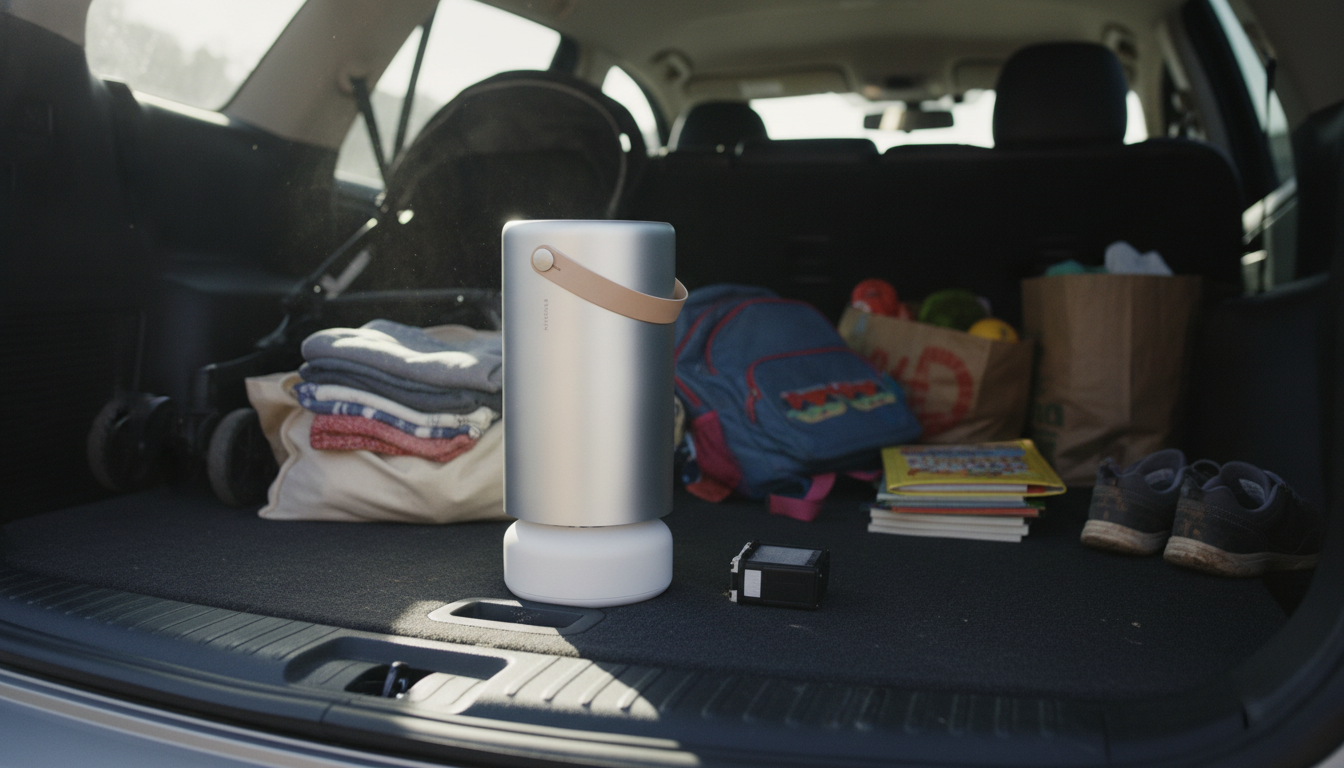
Do air purifiers with HEPA filters really work?
Yes—air purifiers with true HEPA filters can genuinely improve indoor air quality when they’re properly sized for the room and run consistently. A true HEPA filter is designed to capture at least 99.97% of particles down to 0.3 microns, which covers many common airborne irritants like dust, pollen, pet dander, and some smoke particles.
What a HEPA purifier can do well
HEPA-equipped purifiers are especially effective for particle pollution. If sneezing, dusty surfaces, or seasonal pollen indoors are the issue, a purifier that moves enough air (high CADR) through a sealed HEPA system can noticeably reduce the amount of floating debris. Over time, that can make a room feel “cleaner,” with fewer airborne triggers—particularly in bedrooms, nurseries, and home offices where doors stay closed.
Where expectations should be realistic
A HEPA purifier doesn’t solve every air problem. It won’t remove most gases and odors on its own (like cooking smells or VOCs from paints) unless it includes a substantial activated carbon filter. It also can’t fix the source of pollution—like mold from a leak, heavy indoor smoking, or poor ventilation. For best results, pair filtration with basic steps such as controlling humidity, cleaning regularly, and addressing any moisture or combustion sources.
How to make a HEPA purifier actually perform
Performance depends on matching the unit to your room size, placing it where air can circulate freely, and keeping it running long enough each day. Filter maintenance matters too: a clogged or overdue filter reduces airflow and can cut effectiveness. If you want a deeper breakdown of how HEPA purifiers work, what they capture, and what to look for when buying, visit the full guide here.
For Do HEPA Air Purifiers Work? What They Remove (and Don’t), the best answer depends on fit, material, care instructions, and how the product will be used day to day.
FAQ
Do air purifiers help with allergies?
They can reduce airborne allergens like pollen, dust, and dander when they use a true HEPA filter and are correctly sized for the room. They won’t eliminate allergens embedded in carpets, bedding, or upholstery without cleaning.












Leave a comment