PM in Air Purifiers: Meaning, Types, and Readings
What is the PM in air purifiers?
In air purifiers, “PM” stands for particulate matter—tiny solid particles and liquid droplets floating in the air. These particles come from everyday sources like smoke, cooking, dust, pollen, pet dander, and outdoor pollution that drifts indoors. Because they’re so small, many of them aren’t visible, yet they can still affect comfort and air quality.
PM is usually described by size, measured in micrometers (µm). Common labels include:
- PM10: particles up to 10 µm (often includes dust and pollen)
- PM2.5: particles up to 2.5 µm (fine particles from smoke, traffic pollution, and combustion)
- PM1.0: ultrafine particles up to 1.0 µm (very small particles that can linger in the air)
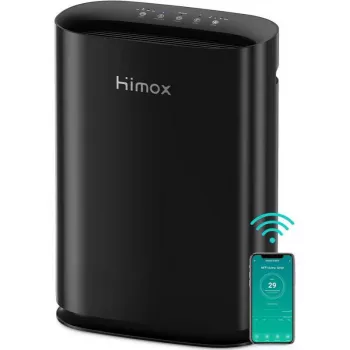
Many modern air purifiers display PM readings from a built-in sensor. Depending on the model, the screen might show a live PM2.5 number (often in µg/m³), a color-coded air quality indicator, or both. A lower PM reading generally means fewer airborne particles at that moment, while higher readings suggest more pollution in the air—like during cooking, wildfire smoke events, or heavy dust.
It’s also helpful to know that “PM” refers to what’s in the air, while the purifier’s job is to capture it. A true HEPA filter is commonly used to trap fine particles; the sensor then helps the unit adjust fan speed automatically (in auto mode) or helps users understand when air quality changes.
For a deeper look at PM2.5 monitoring and what the numbers mean in real life, see this guide: smart air purifier with PM2.5 monitor guide.
For PM in Air Purifiers: Meaning, Types, and Readings, the best answer depends on fit, material, care instructions, and how the product will be used day to day.
FAQ
What does PM2.5 mean on an air purifier?
PM2.5 is fine particulate matter that’s 2.5 micrometers or smaller. When an air purifier shows PM2.5, it’s reporting the level of these fine particles in the air, often because they’re common in smoke and urban pollution.














Leave a comment