HEPA vs PECO Air Purifiers: Which Should You Choose?
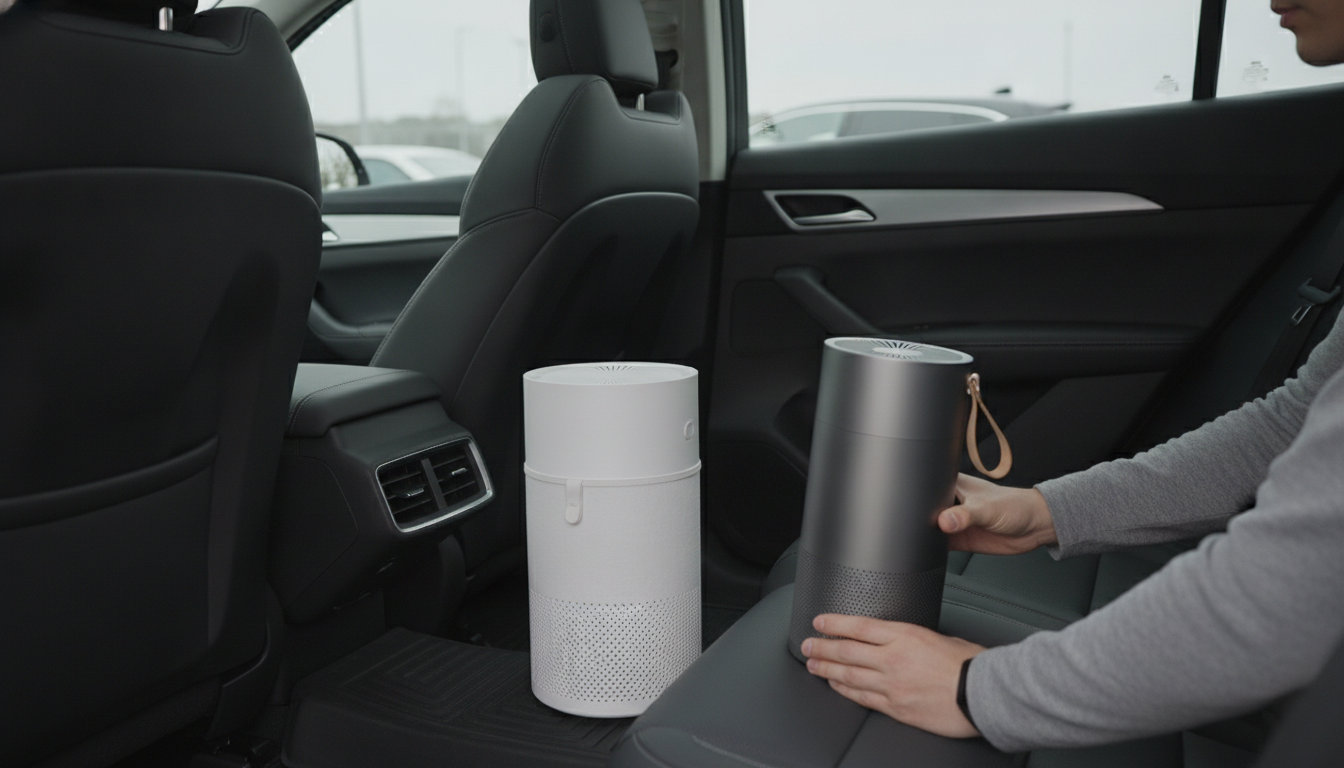
Which is better HEPA or PECO air purifier?
Neither technology is universally “better”—the right choice depends on what you want to remove from the air and how you plan to use the purifier. HEPA filtration is the more established, standardized option for capturing particles. True HEPA filters are designed to trap very small airborne particles (like dust, pollen, pet dander, and smoke particulate) inside a dense filter media, making them a strong pick for allergy and asthma households focused on particle reduction.
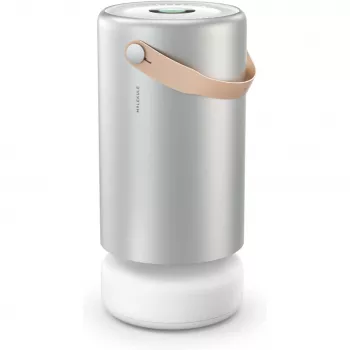
PECO (photo electrochemical oxidation) is a technology used in some premium air purifiers that aims to break down certain pollutants at a molecular level, potentially targeting some VOCs (odors and gases) in addition to particles. Because PECO implementations vary by brand and design, real-world performance can be harder to compare head-to-head without independent testing for specific contaminants.
If your top priority is reliably reducing airborne particles, a true HEPA-based purifier is typically the safer bet because the standard is widely recognized and performance expectations are clearer. If your main concern is a mix of particles plus odors or chemical gases (such as cooking smells, off-gassing, or smoke odors), a PECO-equipped unit may be appealing—especially when combined with strong particle filtration and sufficient clean air delivery for your room size.
For a deeper breakdown of how the two approaches compare in day-to-day use, see the full guide here: https://antoisa.com/which-is-better-hepa-or-peco-air-purifier/.
For HEPA vs PECO Air Purifiers: Which Should You Choose?, the best answer depends on fit, material, care instructions, and how the product will be used day to day.
Checking those details first helps avoid a poor match and keeps the choice practical after delivery.
FAQ
Do air purifiers help with odors and VOCs?
They can, but results depend on the purifier’s technology. Activated carbon is commonly used for odors and many VOCs, while some advanced systems (including certain PECO designs) also target gaseous pollutants; particle-only filtration won’t remove most gases effectively.














Leave a comment